Welcome Bonuses Reshaping Engagement Patterns in Digital Poker Venues
Written by Petra Carter · Oct 25, 2026
Welcome Bonuses Reshaping Engagement Patterns in Digital Poker Venues
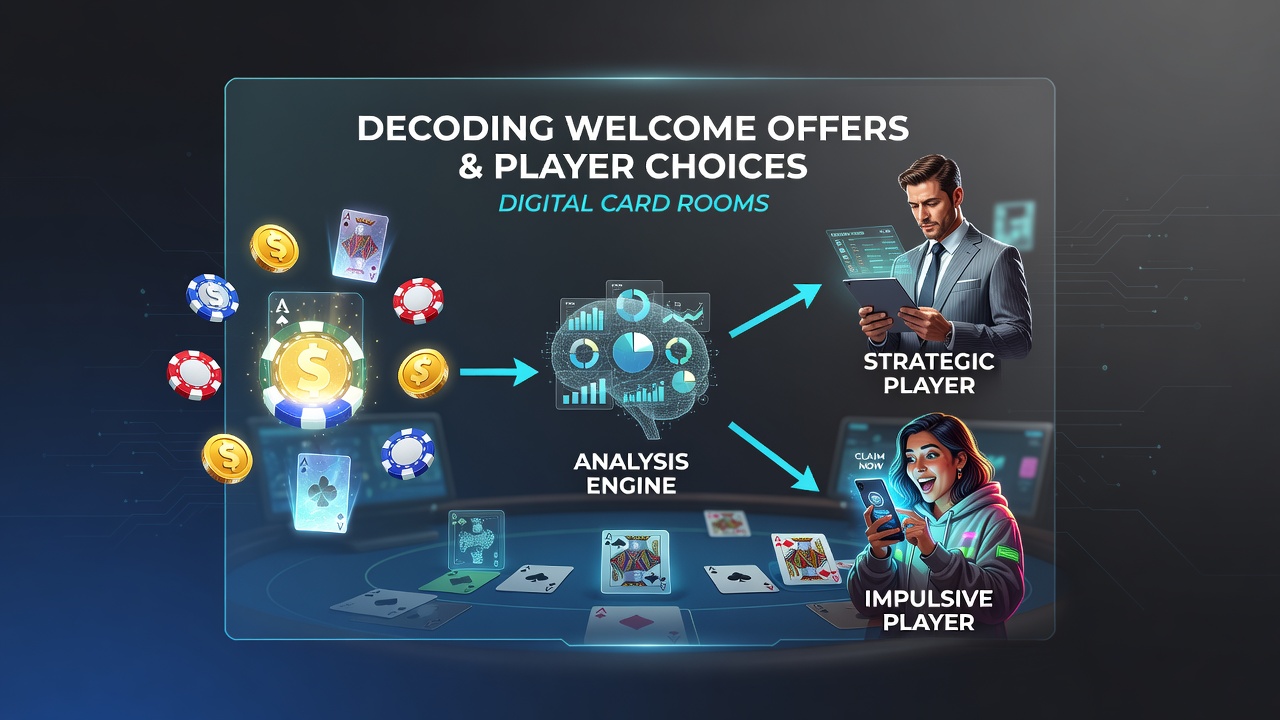
Digital card rooms have expanded rapidly since the early 2020s, and welcome offers now serve as primary tools that operators deploy to attract new participants while guiding their initial platform selections. These incentives typically include deposit matches, free tournament entries, and cashback structures that reduce entry barriers for first-time users. Data from regulatory filings across multiple jurisdictions indicate that such promotions account for a measurable share of new account activations each quarter.
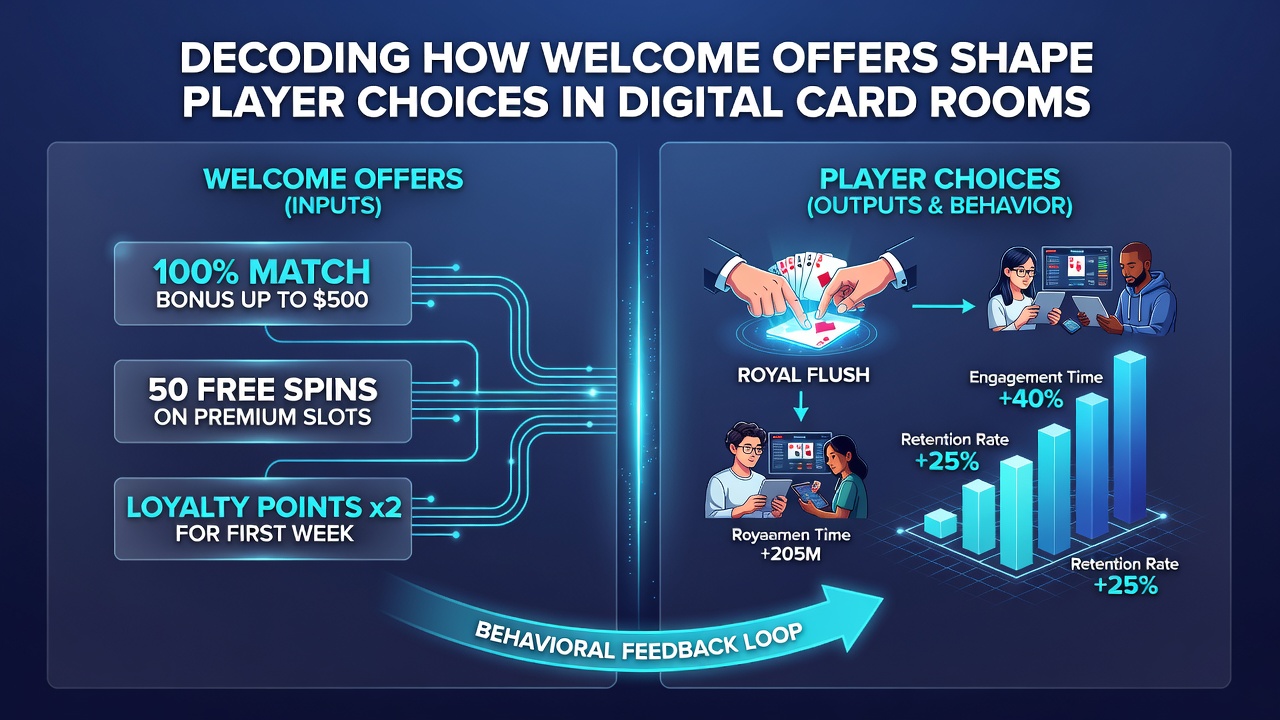
Operators structure these offers with specific terms that influence how players allocate their time and funds. Deposit match percentages often range from 100 to 200 percent up to defined caps, while playthrough requirements determine how quickly participants can access any winnings. Research from industry analysts shows that lower playthrough multipliers correlate with higher retention rates during the first thirty days after registration.
Mechanics Behind Offer Design
Card room operators calibrate welcome packages based on player acquisition costs and expected lifetime value calculations. A common format bundles a deposit match with additional tournament tickets that activate only after an initial cash game session. These layered conditions encourage immediate engagement with multiple game types rather than single-format focus. According to reports from the Nevada Gaming Control Board, similar bonus structures in licensed markets have produced consistent upticks in average session length when combined with clear term disclosures.
Players frequently compare offers across platforms before committing, and review sites aggregate these details into comparison tables that highlight effective bonus values after accounting for wagering conditions. This comparison process leads many newcomers toward rooms that provide transparent payout timelines and lower minimum deposit thresholds. One analysis of transaction data revealed that rooms offering instant bonus credit upon deposit experienced faster account funding rates than those requiring manual verification steps.
Player Decision Pathways
Those entering digital card rooms often begin by evaluating bonus size alongside game variety and traffic levels. High-traffic rooms attract players seeking softer competition, yet smaller venues sometimes offset lower player counts with more generous initial rewards. Figures from the New Jersey Division of Gaming Enforcement indicate steady growth in multi-room registrations during periods when welcome offers featured reduced playthrough requirements.
Many participants track bonus expiration dates and adjust their activity accordingly, concentrating play sessions within the promotional window to maximize value. This behavior pattern appears across skill levels, though experienced players tend to prioritize rooms where bonus funds integrate seamlessly with established bankroll management strategies. Observers note that October 2026 saw several platforms introduce tiered welcome offers tied to loyalty program entry, further linking initial incentives with long-term engagement metrics.
Comparative Effects Across Regions
European markets regulated under frameworks outside the United Kingdom demonstrate distinct patterns where welcome offers emphasize cashback rather than deposit matches. These structures appeal to players who prefer lower risk exposure during early sessions. A study published by the University of Sydney's Gambling Research Unit found correlations between cashback-based incentives and reduced session abandonment rates compared to pure match bonuses.
In North American markets, operators have adapted offers to comply with state-specific rules that limit certain promotional mechanics. Rooms in Pennsylvania and Michigan have reported higher uptake when offers include free entries to low-stakes tournaments rather than large deposit matches. These regional variations create a landscape where players weigh regulatory stability alongside promotional value when selecting their primary venue.
Long-Term Platform Loyalty
Initial welcome offers set expectations that affect subsequent choices even after the promotional period ends. Players who receive prompt support during bonus redemption tend to remain active on that platform for extended periods. Industry reports from the European Gaming and Betting Association highlight that transparent communication regarding wagering progress contributes to higher satisfaction scores in post-promotion surveys.
Rooms that integrate bonus tracking directly into their software interfaces reduce friction for participants managing multiple active promotions. This technical integration appears alongside broader trends toward personalized offers based on early playing habits. Data collected through platform analytics show that tailored follow-up incentives maintain engagement levels that generic promotions often fail to sustain.
Conclusion
Welcome offers continue to function as significant factors in how participants select and interact with digital card rooms. Their design elements, including deposit matches, playthrough conditions, and supplementary rewards, shape initial decisions and influence retention patterns across varied regulatory environments. Continued monitoring by oversight bodies and academic researchers provides ongoing insight into these dynamics as platforms refine promotional approaches to match evolving player behaviors.